In today’s competitive business landscape, live events remain one of the most powerful ways to connect with prospects, strengthen brand recognition, and generate qualified leads. Trade shows, in particular, offer companies a unique opportunity to showcase products and services in a dynamic, face-to-face environment. However, simply reserving floor space and setting up a table is not enough to stand out among dozens—or even hundreds—of competitors. This is where trade show booth designers play a critical role. Their expertise transforms ordinary exhibit spaces into immersive brand experiences that drive measurable marketing results.
Creating a Memorable First Impression
Trade show attendees are often overwhelmed by the sheer number of booths competing for their attention. Within seconds, they subconsciously decide which exhibits are worth exploring. Professional booth designers understand the psychology of first impressions and use it strategically. From lighting and color schemes to layout and signage placement, every design choice is crafted to attract attention and communicate brand identity instantly.
An effective booth design does more than look attractive. It tells a story. Designers integrate visual elements, messaging, and interactive components in a way that aligns with the company’s goals and target audience. Whether the objective is product launches, brand awareness, or lead generation, the booth becomes a physical embodiment of the company’s marketing strategy.
Without the guidance of trade show booth designers, companies risk blending into the background. A poorly designed booth can unintentionally signal a lack of professionalism or innovation. On the other hand, a thoughtfully designed space conveys credibility, confidence, and industry leadership—all within the first few moments of engagement.
Aligning Design with Marketing Strategy
Event marketing is not just about aesthetics; it’s about achieving specific business outcomes. Skilled trade show booth designers collaborate closely with marketing teams to understand campaign objectives, key messaging, and target demographics. This strategic alignment ensures that every design element supports broader marketing initiatives.
For example, if a company wants to emphasize innovation, designers might incorporate cutting-edge technology such as digital displays, touchscreens, or augmented reality experiences. If the focus is on relationship building, the layout may include comfortable seating areas to encourage longer, more meaningful conversations. In both cases, the booth is intentionally crafted to influence attendee behavior.
Additionally, experienced trade show booth designers consider practical logistics such as traffic flow, storage needs, and compliance with venue regulations. They optimize the space to maximize engagement while ensuring staff can operate efficiently. By balancing creativity with functionality, designers help businesses get the most return on their investment.
Trade shows often require significant financial commitment, including space rental, travel, staffing, and promotional materials. A professionally designed booth ensures that this investment translates into tangible marketing value. Rather than leaving success to chance, companies benefit from a purposeful environment engineered for results.
Enhancing Engagement and Lead Generation
One of the primary goals of participating in trade shows is generating high-quality leads. Booth design has a direct impact on how many people stop, engage, and ultimately share their contact information. Trade show booth designers use layout techniques and interactive features to draw visitors in and keep them engaged.
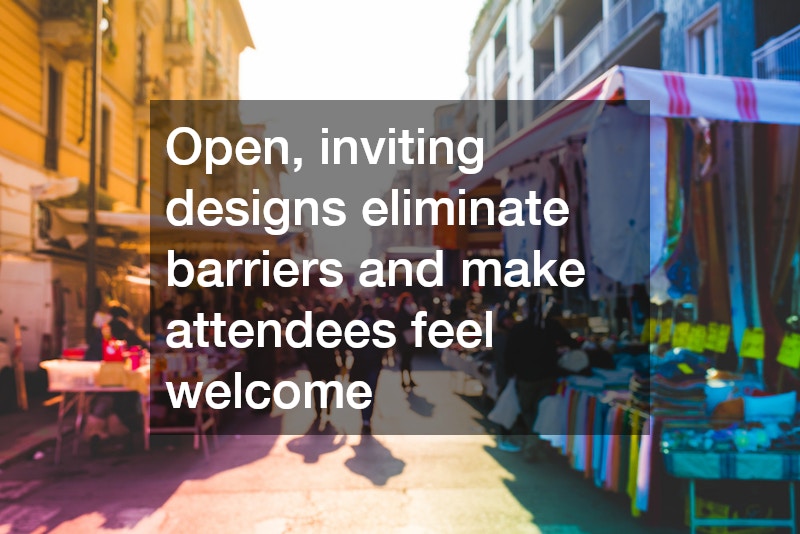
Open, inviting designs eliminate barriers and make attendees feel welcome. Strategic product placement highlights key offerings without overwhelming the space. Multimedia presentations capture attention and provide information efficiently. When visitors feel comfortable and intrigued, they are more likely to start conversations with booth staff.
Engagement also increases brand recall. When attendees leave the event, they will remember the booths that offered a unique or enjoyable experience. Whether it’s a hands-on demonstration, immersive visual display, or creative branded environment, the impact lasts beyond the event itself.
Furthermore, trade show booth designers often incorporate data collection tools seamlessly into the design. Tablet stations, QR codes, and digital sign-ups can be integrated naturally into the booth layout. This ensures that lead capture feels like a part of the experience rather than an interruption. By making engagement intuitive and appealing, designers directly contribute to higher conversion rates.
In a crowded exhibition hall, attention is currency. The companies that capture it effectively are those that approach booth design strategically rather than as an afterthought.
Trade shows offer unmatched opportunities for face-to-face marketing, but success depends largely on presentation and strategy. A well-designed booth does more than occupy space—it communicates brand identity, supports marketing objectives, and creates meaningful interactions. Professional trade show booth designers bring together creativity, strategic thinking, and technical expertise to turn ordinary exhibits into powerful marketing platforms.
From making strong first impressions to aligning with broader marketing campaigns and maximizing lead generation, their role is central to event marketing success. Businesses that invest in expert design not only stand out on the show floor but also gain a competitive edge long after the event ends. In an environment where every interaction counts, partnering with skilled trade show booth designers is not just beneficial—it is essential.